Flores, East Nusa Tenggara, Indonesia — 17 August 2026
A powerful magnitude 7.7 earthquake struck the Flores region of East Nusa Tenggara in the early hours of Saturday, 15 August 2026, affecting communities across several areas and leaving people facing loss, injuries, displacement, and damage to homes and public infrastructure.
According to the Indonesian Agency for Meteorology, Climatology and Geophysics (BMKG), the earthquake occurred at 4:58 a.m. local time, with its epicentre located approximately 30 kilometres northeast of Nagekeo, offshore, at a depth of 15 kilometres.
Tsunami Warning Issued and Later Lifted
The earthquake triggered an early tsunami warning for parts of East Nusa Tenggara and surrounding areas.
BMKG lifted the tsunami warning at 7:30 a.m. local time after monitoring sea-level conditions. Changes in sea level associated with the earthquake were detected at several monitoring stations, with the highest recorded wave reaching 0.94 metres at Maurole, Ende.
Following the lifting of the warning, communities were advised to remain vigilant and continue following official information and safety guidance from BMKG and local authorities.
Significant Impact on Communities
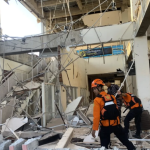
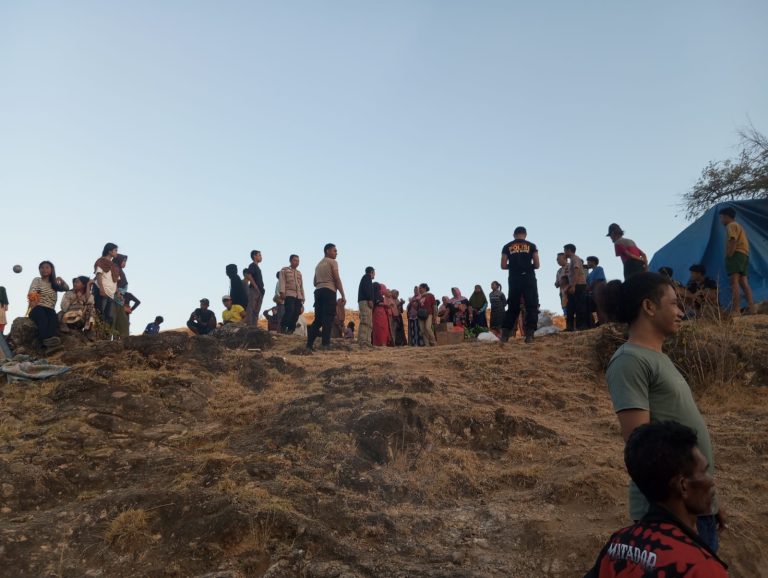
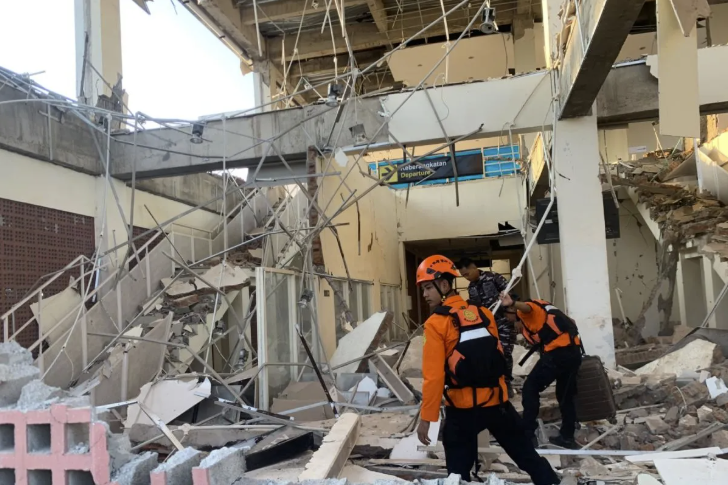
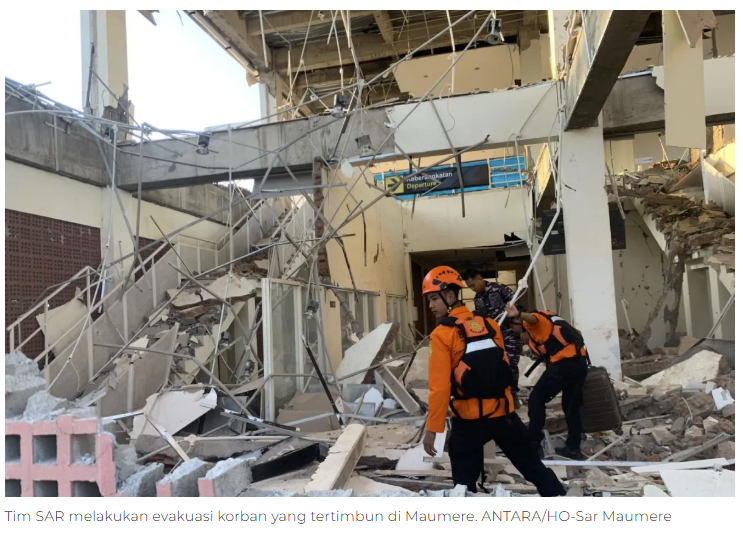
The earthquake caused significant impacts across several areas of Flores. Damage has been reported to homes, public facilities, health facilities, places of worship, government buildings, and other infrastructure. Landslides and damage to roads have also affected access to some communities.
According to preliminary figures released by Indonesia’s National Disaster Management Agency (BNPB) on 16 August, 53 people had died and 137 people had been injured. More than 5,600 people had been displaced, including people staying in centralized evacuation locations and those who evacuated independently.
BNPB also reported damage to more than 2,400 houses, along with damage to education facilities, places of worship, and government offices. These figures remain preliminary and may change as assessments continue and more information becomes available from affected areas.
Access to some communities has been complicated by damaged roads and landslides. Communication disruptions have also presented additional challenges for assessing needs and coordinating assistance.
Aftershocks Continue
The main earthquake has been followed by numerous aftershocks. BMKG recorded 235 aftershocks between the main earthquake and 2:00 p.m. on 15 August, ranging from magnitude 2.5 to 6.2.
Continued seismic activity has added to concerns among affected families, particularly those whose homes have been damaged or who are uncertain whether it is safe to return.
Communities in affected areas are encouraged to remain vigilant, avoid damaged or unstable structures, and follow official information and safety instructions from BMKG and local authorities.
ADRA Indonesia Monitors the Situation
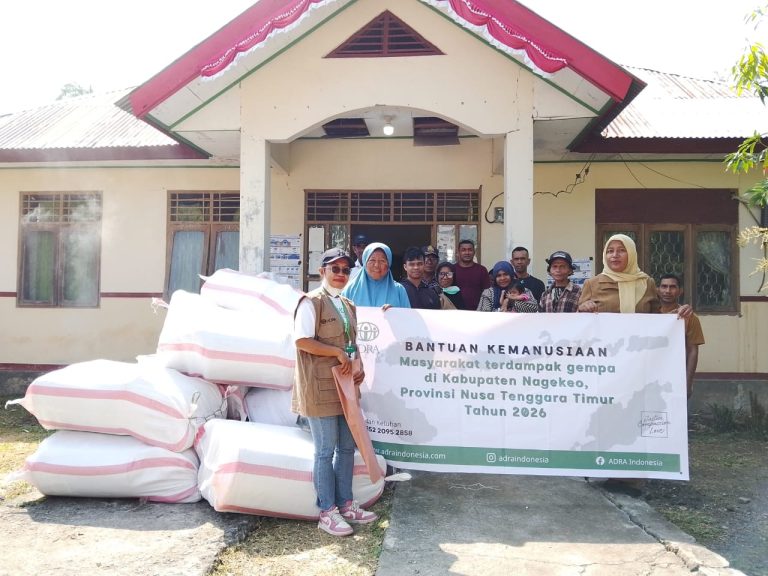
ADRA Indonesia is closely monitoring the situation in Flores and reviewing information on the impact of the earthquake and the emerging needs of affected communities.
At this stage, ADRA Indonesia is assessing the situation and considering potential humanitarian support, in coordination with relevant stakeholders and based on verified needs.
As information continues to emerge, ADRA is particularly attentive to the needs of families whose homes have been damaged or who are unable to safely return home. Potential areas of support may include emergency shelter and other essential assistance, depending on the findings of ongoing situational analysis and the broader humanitarian response.
Any future ADRA response will be guided by identified needs, available resources, coordination with local authorities and humanitarian partners, and the evolving situation on the ground.
Immediate Humanitarian Needs
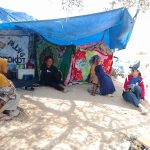
For families who have lost their homes or are temporarily unable to return, immediate needs may include safe shelter, food, clean water, healthcare, sanitation and hygiene support, and protection services.
Shelter can be particularly important following a major earthquake. Families may remain in evacuation sites or temporary locations because their homes have been damaged or because continuing aftershocks make returning home unsafe.
As the situation develops, timely and reliable assessments will be important to identify the most urgent needs and ensure that humanitarian assistance reaches those who are most affected.
Looking Ahead
The response to the Flores earthquake will require continued coordination as communities address immediate needs and begin the longer process of recovery.
ADRA Indonesia will continue to monitor developments and assess how it can appropriately support affected communities in coordination with local authorities, humanitarian partners, and other stakeholders.
The situation remains fluid. Information regarding casualties, damage, displacement, and humanitarian needs may change as further assessments are conducted and previously difficult-to-reach communities are reached.
ADRA Indonesia stands ready to consider appropriate support as the needs of affected communities become clearer.
Sources
BMKG — Indonesian Agency for Meteorology, Climatology and Geophysics
Earthquake parameters, tsunami warning, sea-level observations, and aftershock information.
BMKG — Earthquake M7.7, Flores, East Nusa Tenggara
BMKG — Tsunami Observation Following the M7.7 Earthquake
BMKG — Tsunami Warning Ends Following the M7.7 Earthquake
BMKG — Flores Earthquake and Aftershock Update
BNPB — Indonesia’s National Disaster Management Agency
Preliminary information on casualties, displacement, damage, and emergency response as of 16 August 2026.
BNPB — Update on the Impact of the M7.7 Earthquake in NTT
ADRA Indonesia
Organizational information regarding monitoring of the situation and consideration of potential humanitarian support.